Hot Wallet vs Cold Wallet: Which Crypto Wallet Should You Use?

Read time 7 min
Quick Answer:
A hot wallet is connected to the internet, making it convenient but more exposed to attack. A cold wallet is kept offline, making it less convenient but significantly more secure for storing crypto long-term.
Hot Wallets vs Cold Wallets, in Plain Terms
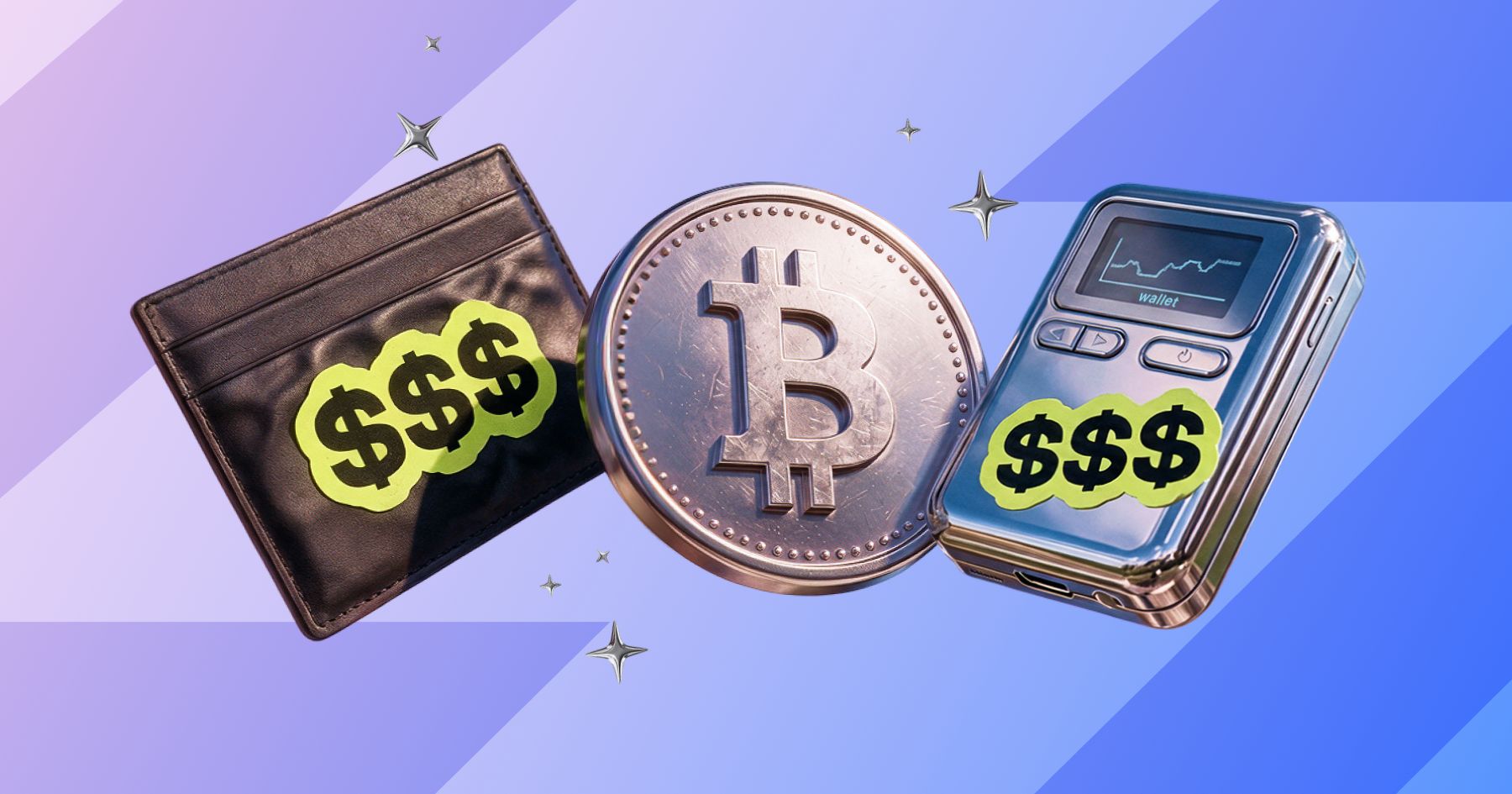
Hot and Cold wallets differ essentially in one thing: internet connectivity. A hot wallet is any crypto wallet connected to the internet, an exchange account, a mobile app, or a browser extension, which makes it fast and convenient to use but also reachable by anyone attempting a remote attack. A cold wallet is kept offline, typically a hardware device or a physical paper backup, which makes it far less convenient for frequent transactions but removes most of the attack surface that makes hot wallets vulnerable.
This single distinction, online versus offline, is one of the most consequential decisions in how you store crypto, since it directly determines how exposed your holdings are to remote hacking versus physical loss. Nearly every serious crypto security recommendation traces back to getting this balance right for your specific situation.
Key Terminology
Hot wallet: A crypto wallet connected to the internet, offering convenience at the cost of greater exposure to remote attacks.
Cold wallet: A crypto wallet kept offline, offering strong security at the cost of convenience.
Hardware wallet: A dedicated physical device that generates and stores private keys offline, a common form of cold storage.
Attack surface: The range of ways a system, in this case a wallet, can potentially be compromised.
How Hot Wallets Work
Hot wallets keep private keys on an internet-connected device or service, ready to sign transactions instantly. Common examples include:
- Exchange wallets, custodial wallets built into a centralized exchange or on-ramp account, where the platform, not you, technically controls the underlying keys.
- Mobile wallet apps, installed directly on a smartphone for everyday use, typically non-custodial and giving you direct control of your keys.
- Browser extension wallets, used primarily to interact with DApps and DEXs, connecting directly to decentralized applications.
- Desktop software wallets, installed on a computer for regular access, functioning similarly to a mobile wallet but on a different device type.
Pros: Hot wallets are fast, convenient, and well-suited to frequent transactions, active trading, or everyday spending, since there’s no extra hardware step required to sign a transaction. They’re also typically free and require no special equipment to get started.
Cons: Being connected to the internet is precisely what creates the risk. Hot wallets are exposed to remote hacking attempts, malware, and phishing in a way offline storage simply isn’t, making them a poor fit for storing large, long-term holdings. A compromised device, a malicious app, or a successful phishing attempt can all potentially expose a hot wallet’s private keys.
How Cold Wallets Work
Cold wallets keep private keys generated and stored entirely offline, only connecting briefly, if at all, to authorize a signed transaction. Common examples include:
- Hardware wallets, dedicated physical devices purpose-built to generate and store keys offline, requiring physical confirmation to sign a transaction. These typically connect to a computer or phone only momentarily to broadcast an already-signed transaction.
- Paper wallets, a private key and address printed or written down, with no digital footprint at all. This approach has largely been superseded by hardware wallets, which offer a more durable and user-friendly experience, but it remains a valid, zero-cost cold storage method.
Pros: The private key never touches an internet-connected device during storage, therefore cold wallets are less exposed to remote hacking, malware, and most phishing attempts. This makes them the standard recommendation for any holdings large enough that losing them would be seriously damaging.
Cons: Cold wallets are less convenient for frequent transactions, requiring the physical device to be connected each time, and they introduce a different risk: physical loss, damage, or theft of the device or paper backup itself. A hardware wallet dropped in a fire or lost during a move creates a very different, but equally serious, problem than a hacked hot wallet.
Types of Cold Wallets Compared
Side-by-Side Comparison
Why Cold Storage Is the Standard Recommendation for Large Holdings
Crypto’s history includes numerous high-profile exchange hacks and hot-wallet breaches resulting in significant losses for affected users, which is precisely why security guidance across the industry consistently points toward cold storage for anything beyond an actively used, smaller balance.
The core logic is simple: an attacker cannot remotely access a private key that was never connected to the internet in the first place. No amount of software security on a hot wallet fully closes this gap, since the fundamental vulnerability, internet connectivity, remains present by its functioning. Cold storage doesn’t eliminate risk entirely, physical loss, damage, or a poorly secured seed phrase backup are still real concerns, but it removes the single largest category of risk that affects internet-connected wallets.
Common Misconceptions
“Cold wallets are only for large holdings.” While cold storage matters most for significant amounts, there’s no strict minimum. Anyone uncomfortable with the idea of losing their crypto to a remote hack can reasonably choose cold storage regardless of amount.
“A hot wallet on my own phone is the same risk as an exchange wallet.” Not quite. A non-custodial hot wallet you control still carries internet-connectivity risk, but it removes the additional counterparty risk of a custodial exchange wallet, where the platform itself could be hacked, become insolvent, or restrict withdrawals.
“Cold storage means I can never spend it quickly.” Modern hardware wallets are designed to make signing a transaction reasonably fast once connected. The security trade-off is in the setup and connection step, not an extended delay every time you want to transact.
Setting Up Your First Cold Wallet
If you’re moving from a hot wallet to cold storage for the first time, the process is easier than it might seem:
- Purchase a hardware wallet directly from the manufacturer or an authorized reseller, never a secondhand or unofficial source.
- Follow the device’s official setup process to generate a new seed phrase, writing it down physically and storing it securely offline.
- Send a small test transaction to the new cold wallet address first, before transferring your full holdings.
- Once confirmed, transfer larger balances over time, keeping only what you need for active use in a hot wallet.
Our step-by-step guide on how to set up a crypto wallet safely covers this process, including seed phrase security, in more detail.
Which One Should You Use?
For most people, the answer isn’t choosing one exclusively, but rather using both, matched to purpose:
✓ Keep a hot wallet for small, active balances you plan to spend or trade regularly.
✓ Keep a cold wallet for long-term holdings you don’t need to access frequently.
✓ Treat your hot wallet like a physical wallet in your pocket, and your cold wallet like a safe at home: only keep what you need for daily use exposed.
✓ If you’re new to crypto and holding a small amount, a reputable hot wallet is a reasonable starting point. Consider a hardware wallet as your holdings grow.
This split mirrors the broader distinction covered in our guide to custodial vs non-custodial wallets, and both factor into the general wallet security practices in our guide on how to secure a crypto wallet.
Ready to fund a wallet, hot or cold? Utorg makes buying crypto simple. Buy Bitcoin →.
Frequently Asked Questions
FAQ title
Can a hot wallet be hacked?
Yes. Because a hot wallet is connected to the internet, it’s exposed to remote attacks such as malware, phishing, and exchange-level breaches, which is precisely why large or long-term holdings are generally recommended for cold storage instead.
Do I need a cold wallet if I don’t hold much crypto?
Not necessarily. For small amounts you’re actively using or trading, a reputable hot wallet is often a reasonable choice. As your holdings grow, moving a larger portion into a cold wallet is a common next step.
What’s the safest type of cold wallet?
Hardware wallets from established, reputable manufacturers are generally considered the safest practical option for most users, combining offline key storage with a more durable, tamper-resistant design than a paper backup alone.
Can I lose access to a cold wallet?
Yes, if both the device and its seed phrase backup are lost, damaged, or destroyed simultaneously. This is why securely storing a physical seed phrase backup, ideally in more than one secure location, is just as important as the hardware device itself.